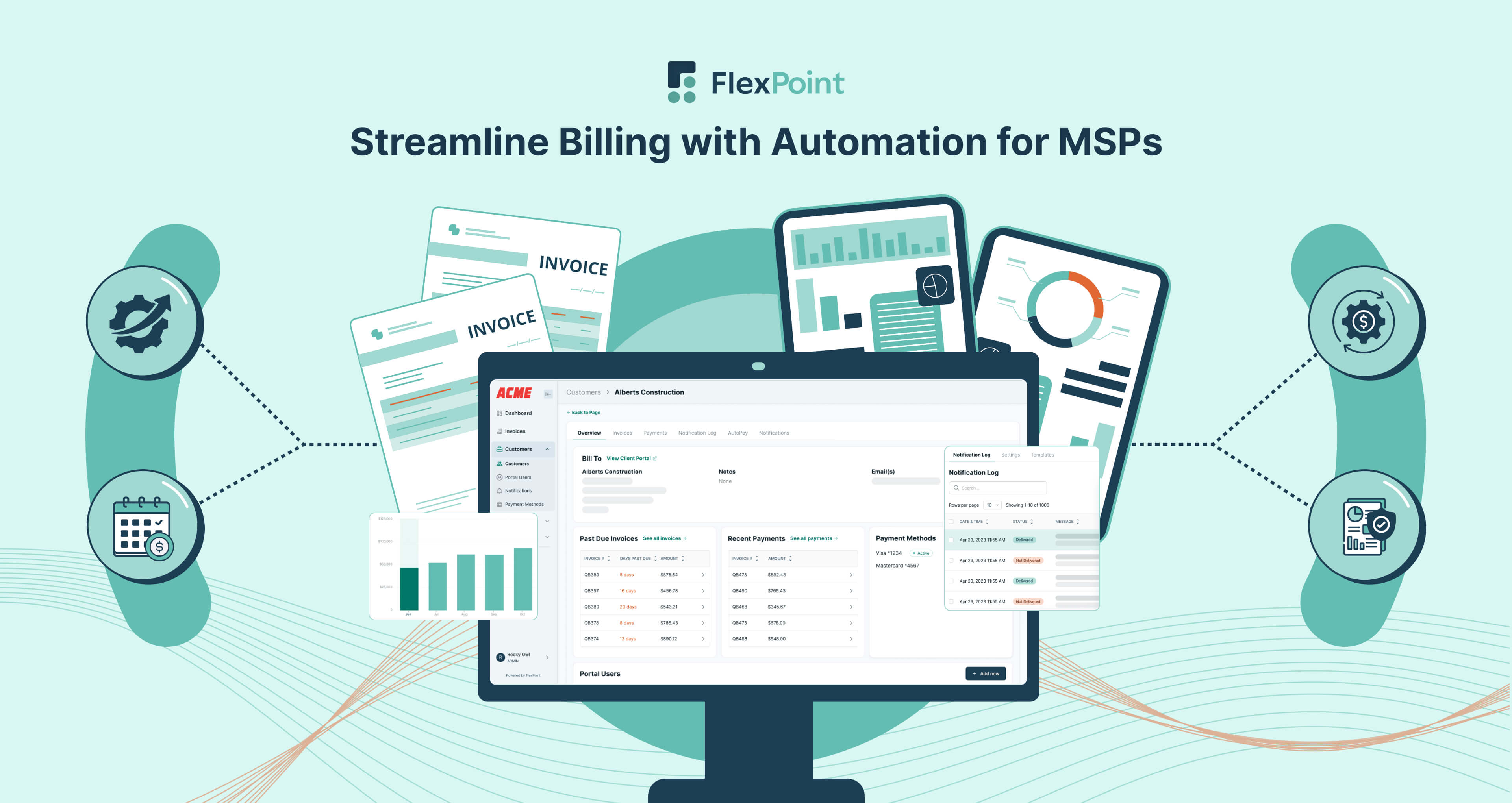
ConnectWise PSA is powerful, but its real value comes from how well it integrates with your billing and finance stack. This article breaks down the must-have integration features, compares top solutions, and shows how FlexPoint streamlines invoicing, payments, and reconciliation for MSPs.

Autotask PSA is powerful, but its real value comes from how well it integrates with your billing and finance stack. This article breaks down the must-have integration features, compares top Autotask integration options, and shows how FlexPoint streamlines invoicing, payments, and reconciliation for MSPs.

HaloPSA is a rapidly growing PSA, but its real value comes from how well it integrates with your billing and finance stack. This article breaks down the must-have integration features, reviews top HaloPSA integration options, and shows how FlexPoint streamlines invoicing, payments, and reconciliation for MSPs.

Alternative Payments can be a solid starting point for collecting online payments, but many MSPs outgrow it as billing gets more complex and manual reconciliation work adds up. This article explains why MSPs switch, what features to prioritize in a replacement, and compares top Alternative Payments alternatives, including how FlexPoint improves automation, integrations, and the client payment experience.

MSP overbilling is rarely intentional, but it can damage trust fast and trigger disputes, refunds, or even legal risk. This article explains what overbilling is, why it happens, how to spot it early, and the practical steps MSPs can take to prevent costly billing mistakes with clearer processes and automation.

MSP underbilling is one of the fastest ways to lose revenue without realizing it. This article explains what underbilling looks like in real MSP workflows, why it happens, and the practical steps you can take to catch it early, close the gaps, and protect long-term profitability.

Benji Pays can be a helpful starting point for MSPs collecting online payments, but many teams outgrow it as billing becomes more complex and manual work creeps back in. This article breaks down the common limitations that prompt a switch and compares top Benji Pays alternatives, including how FlexPoint delivers deeper automation, stronger integrations, and a better client payment experience.

Xero is a powerful accounting platform, but its real value comes from how well it integrates with your billing and PSA stack. This article breaks down the must-have integration features, compares top Xero integration options, and shows how FlexPoint streamlines invoicing, payments, and reconciliation for MSPs.

SuperOps is a modern PSA, but its real value comes from how well it integrates with the rest of your MSP stack. This article breaks down why integrations matter, the key features to prioritize, and the best SuperOps integration options, including how FlexPoint streamlines invoicing, payments, and reconciliation.

ConnectBooster can be a familiar option for MSP billing, but many teams outgrow it as they need deeper integrations, stronger automation, and a more modern client payment experience. This article explains why MSPs switch, what features to prioritize in a replacement, and compares top ConnectBooster alternatives, including how FlexPoint improves branding, real-time syncing, and reconciliation.

QuickBooks is often an MSP’s first choice for accounting and invoicing, but many teams outgrow it as billing gets more complex and integrations become harder to manage. This article explains why MSPs switch, what features to prioritize, and compares top QuickBooks alternatives, including options built to streamline invoicing, payments, and reconciliation.

WisePay can work well for MSPs early on, but many teams outgrow it when they need stronger automation, broader payment options, and a more modern client experience. This article covers what to look for in a WisePay replacement and compares top WisePay alternatives, including how FlexPoint streamlines billing, payments, and reconciliation.

PayPal is widely recognized, but many MSPs outgrow it once high transaction fees, weak PSA integrations, and generic billing workflows start creating manual work and reconciliation headaches. This article breaks down why MSPs switch, what features to prioritize in a replacement, and compares top PayPal alternatives, including how FlexPoint improves automation, client experience, and real-time syncing.

FlexPoint can only deliver end-to-end billing automation if it connects cleanly with the tools MSPs rely on every day. This article breaks down the top FlexPoint integrations MSPs ask about before booking a product tour, including key PSA and accounting connections, and explains how these integrations reduce manual work, improve accuracy, and speed up reconciliation.

Running a successful MSP takes more than ticketing. You need a PSA that ties together service delivery, projects, time tracking, and billing in one scalable system. This article reviews the top PSA software options for MSPs, compares key features and best-fit use cases, and explains why seamless billing and payment integration is critical as you grow.

Project-based pricing can help MSPs win larger one-time engagements by giving clients clear deliverables, predictable costs, and milestone-based payment options. This article explains what project-based billing is, when it makes sense versus recurring contracts, and best practices for scoping, invoicing, and protecting margins with automation.

Tiered pricing helps MSPs package services into clear, scalable levels that clients can understand and compare. This article explains how to structure profitable service tiers, avoid scope creep, and standardize billing so you can forecast revenue more accurately and reduce billing friction as you grow.

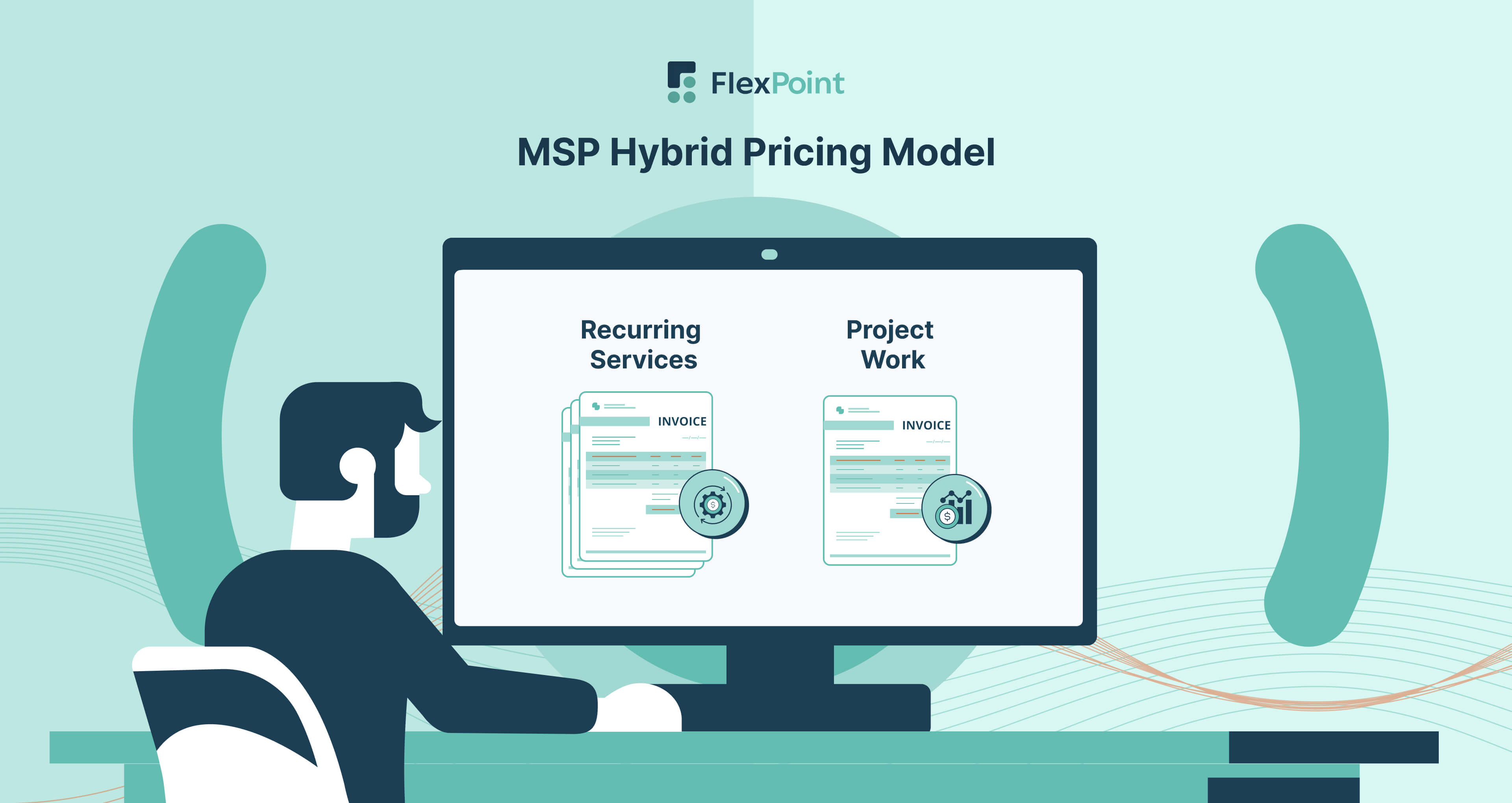
Hybrid pricing gives MSPs the best of both worlds: predictable recurring revenue plus flexible usage-based charges when client needs change. This article explains how hybrid pricing works, the most common structures MSPs use, and best practices for implementing it without creating billing confusion or manual work.

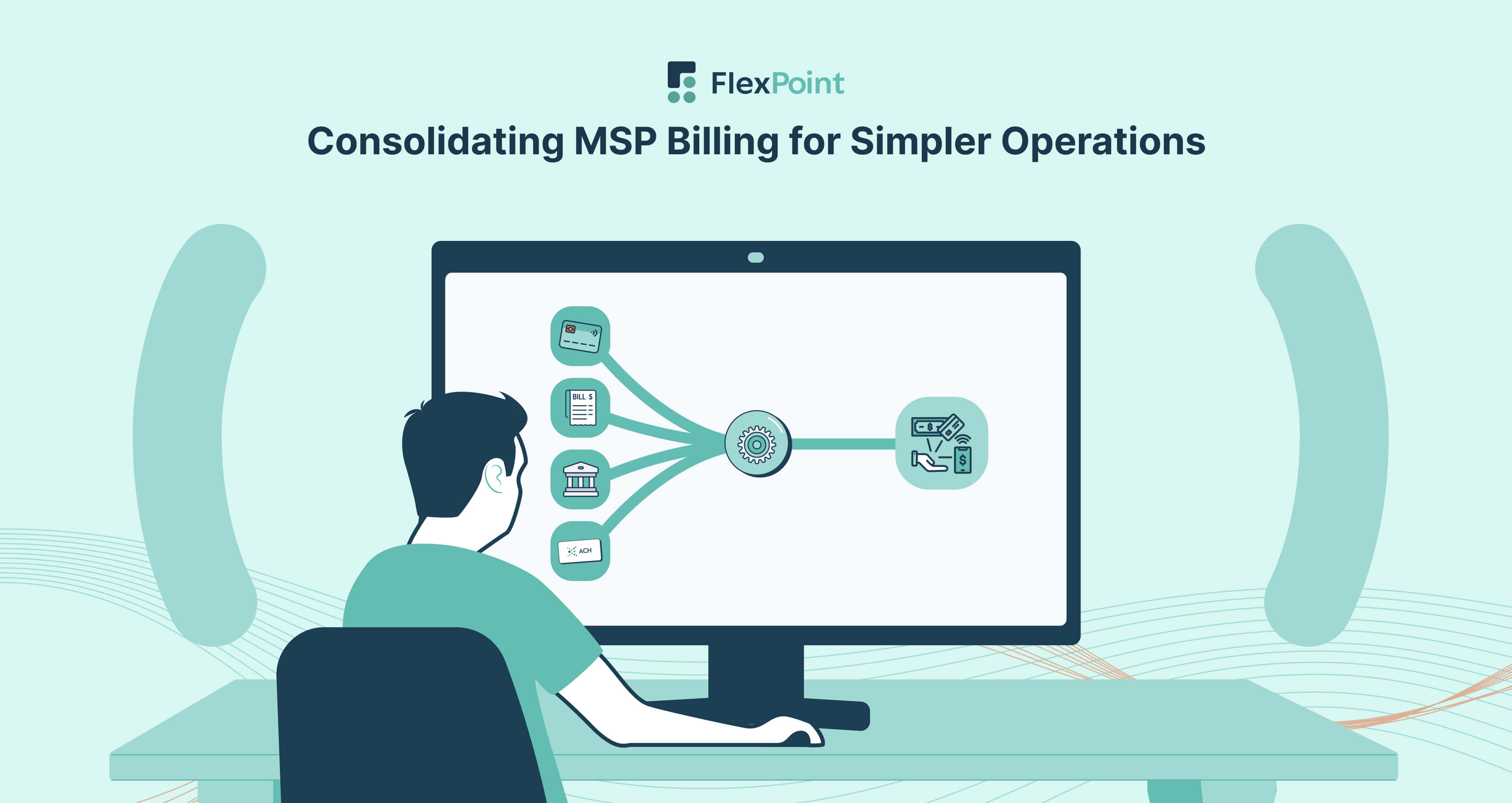
Outdated, fragmented billing tools can slow collections and create extra reconciliation work for MSPs. This article explains why merging billing, invoicing, and payments into one unified workflow reduces errors, improves cash flow predictability, and creates a smoother client payment experience.

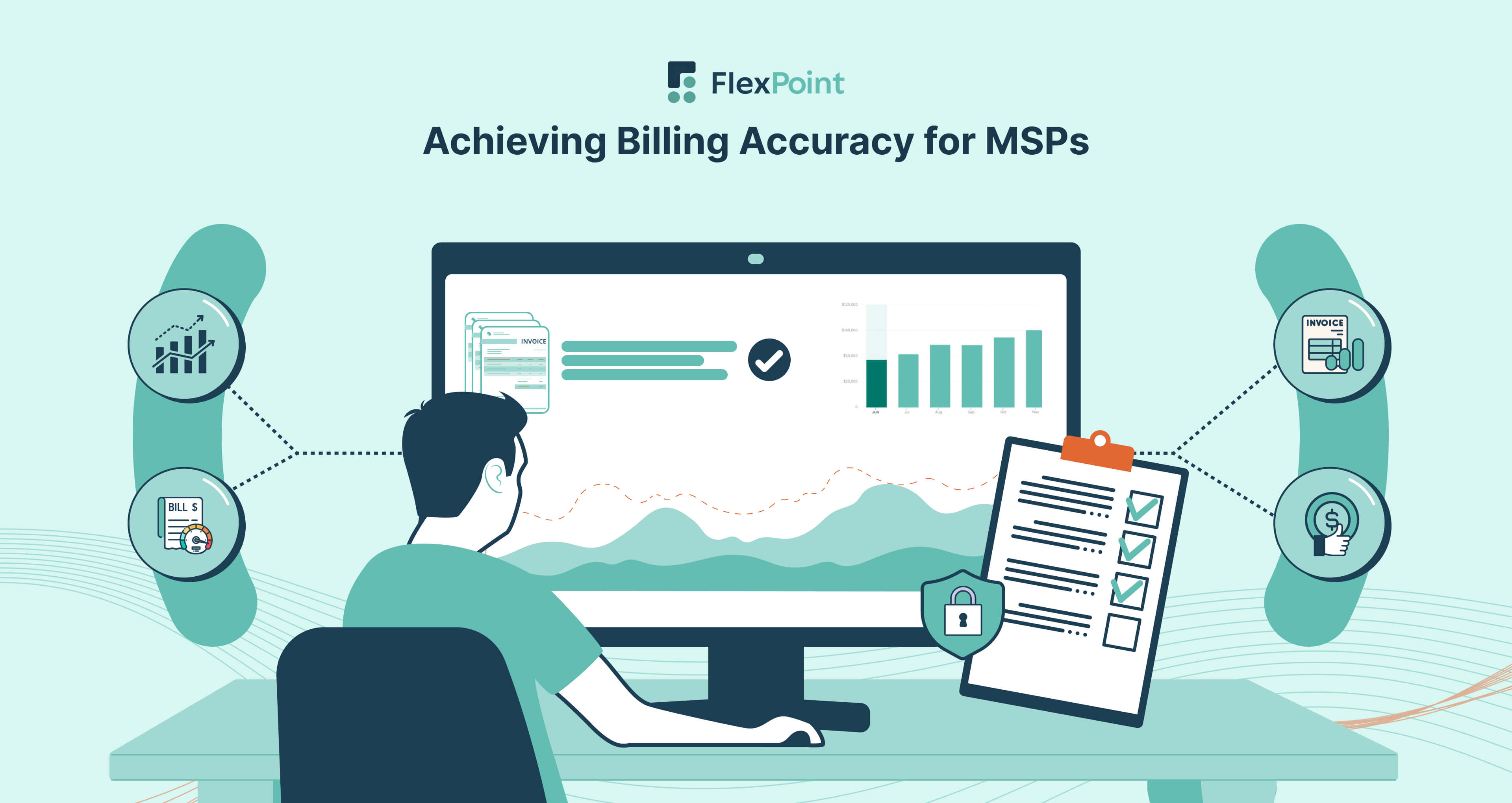
Invoicing mistakes can lead to payment delays, disputes, and revenue leakage for MSPs. This article explains why billing accuracy matters and shares practical, automation-first strategies to reduce errors, speed up billing cycles, and strengthen client trust.

Billing should never be the monthly fire drill that drains your team’s time and delays cash flow. This article explains what operational excellence looks like in MSP billing and shares five practical strategies to improve efficiency and accuracy, including standardization, clean data flow, and automation.

MSP financial health is directly tied to how efficiently you invoice, collect, and reconcile payments. This article explains why delayed invoices, billing errors, and inconsistent billing cycles create cash flow instability, then outlines practical strategies MSPs can use to tighten billing operations and improve predictability.

Manual tax handling can quietly create big risk for MSPs, from miscalculations to missed jurisdiction changes that trigger penalties, disputes, or audit headaches. This article breaks down why tax management matters in MSP billing and shares practical strategies to improve accuracy, compliance, and reporting through smarter, more automated workflows.

Billing pain points look different depending on who owns the problem. Owners worry about cash flow and revenue leakage, ops teams fight workflow bottlenecks between the PSA and invoicing, and finance teams get buried in manual reconciliation and aging receivables. This article breaks down those role-specific challenges and explains how FlexPoint solves them with automation, real-time visibility, and integrated billing workflows that keep every department aligned.

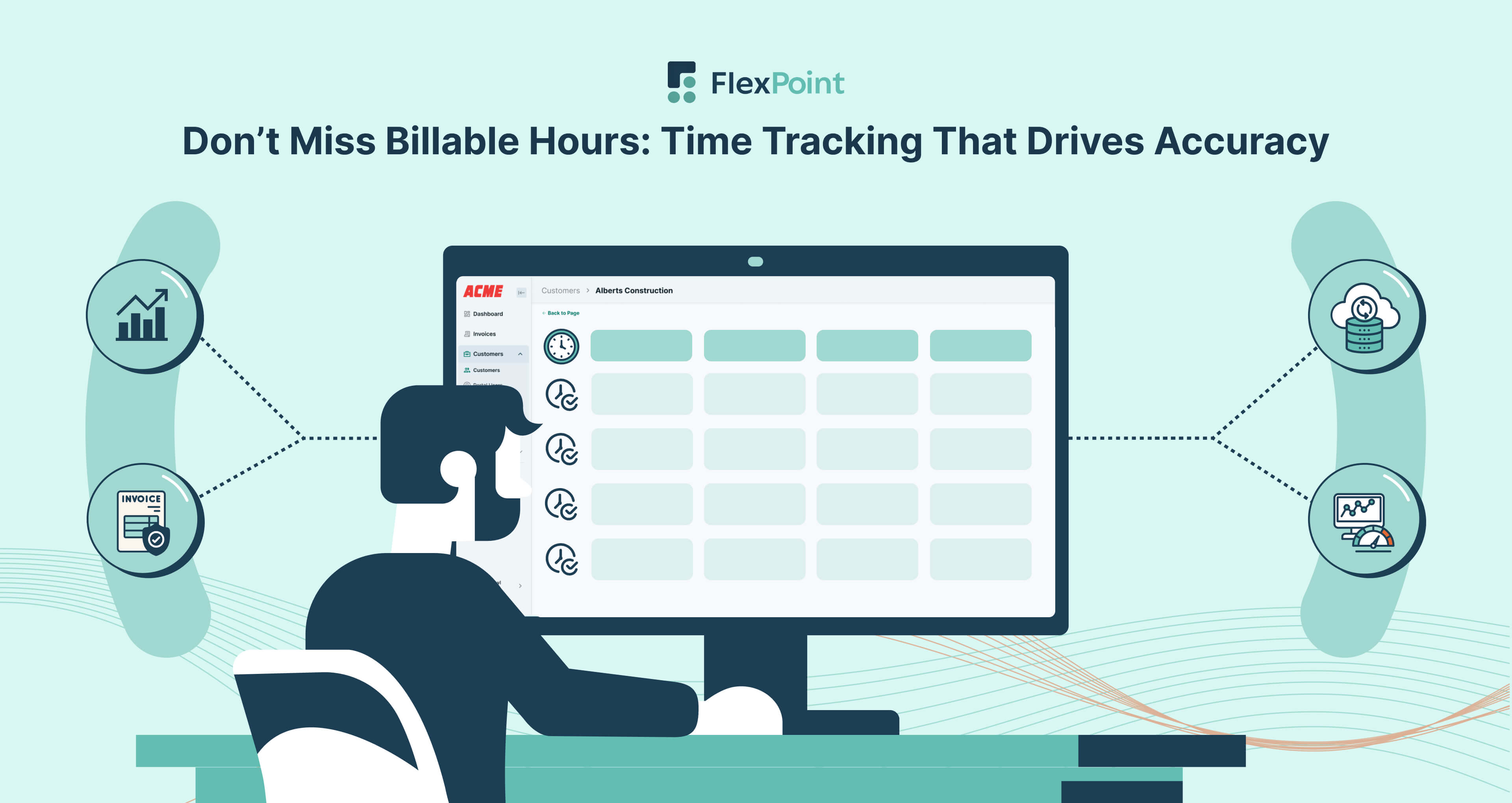
Disconnected project tracking and billing systems can quietly cost MSPs real money through missed billable hours, delayed invoices, and avoidable revenue leakage. This article explains why integrating project management with billing matters, the operational risks of siloed workflows, and five practical strategies to improve invoicing accuracy, cash flow, and visibility as you scale.

Manual billing might feel manageable at first, but spreadsheets, time logs, and disconnected tools quickly lead to errors, disputes, and delayed cash flow as you scale. This article explains the hidden costs of manual billing and shares practical strategies for moving to digital workflows, including automation, PSA integrations, and smoother payment collection.

À la carte pricing gives MSP clients more control by letting them choose only the services they need, instead of locking into a bundled plan. This article explains when à la carte pricing makes sense, where it can create billing and margin complexity, and how to structure and bill for it cleanly with the right automation.

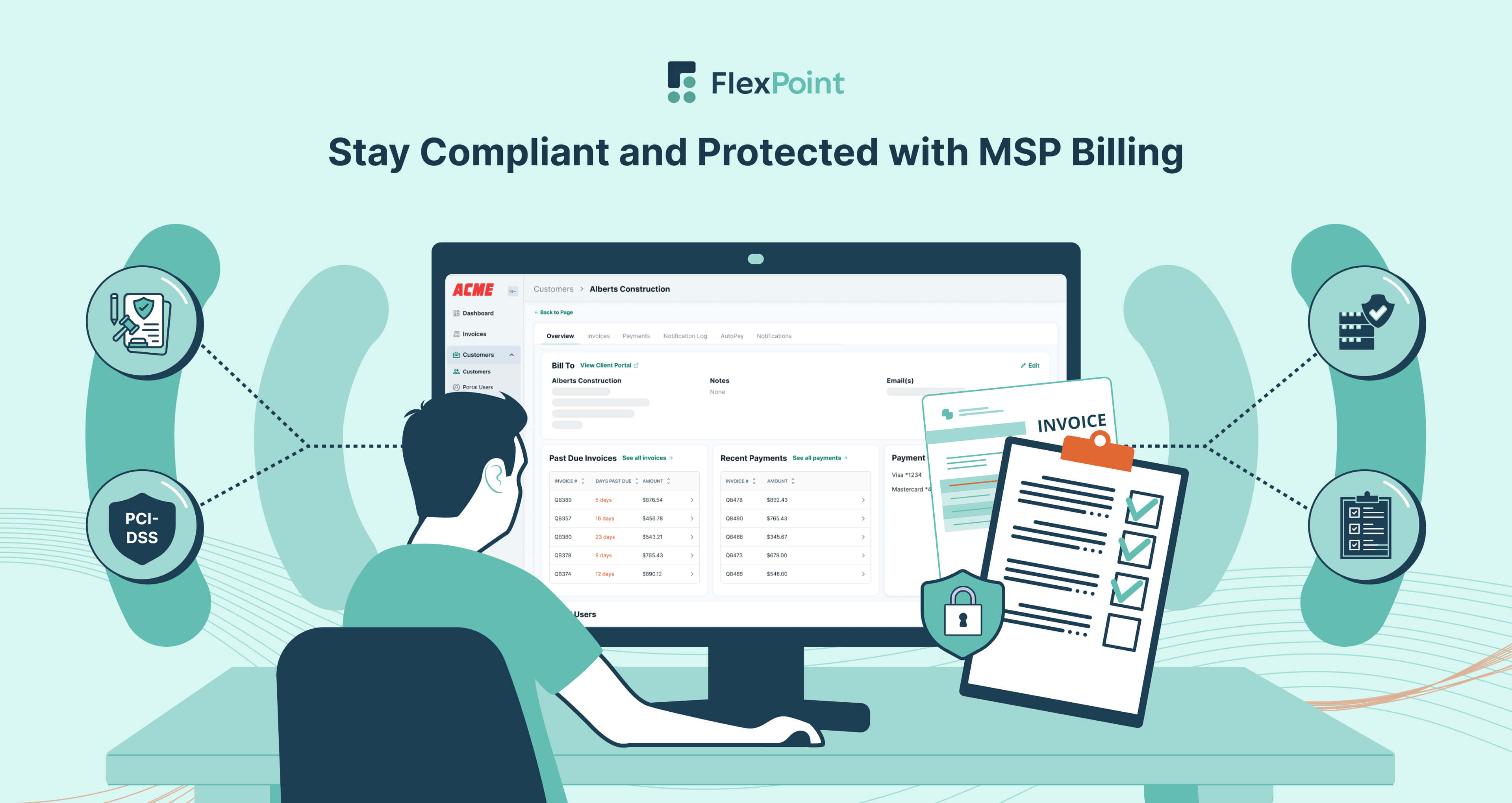
Billing compliance mistakes can create revenue leakage, trigger disputes, and put your MSP at risk of audits or legal issues. This article breaks down what MSP billing compliance actually includes (contracts, taxes, PCI DSS, documentation), plus five practical strategies to stay audit-ready as you scale.

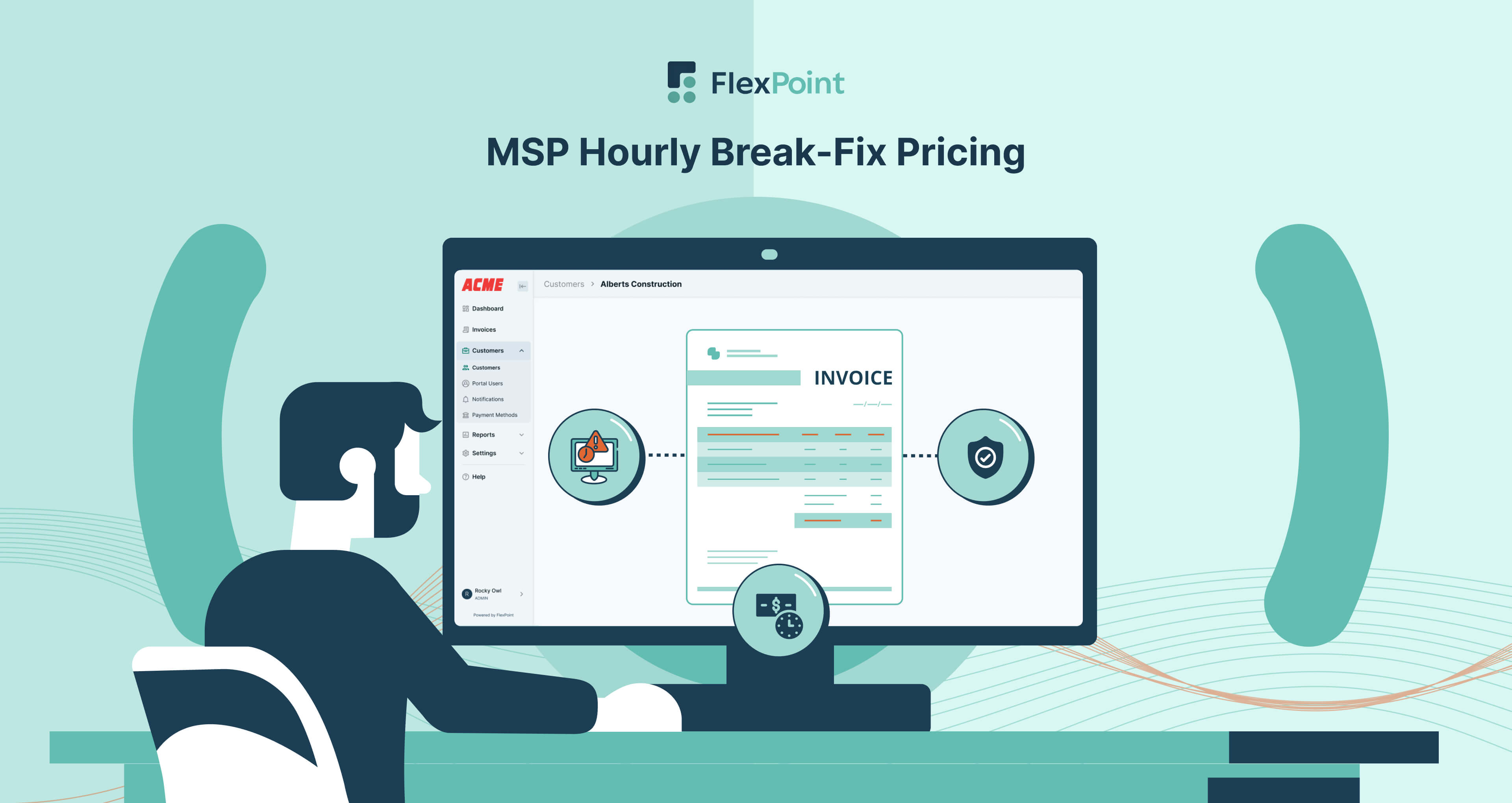
Hourly break-fix pricing used to be the default for MSPs, but it can create revenue uncertainty and reactive, crisis-driven operations as you scale. This article explains when hourly pricing still makes sense, where it falls short, and how to transition toward more predictable billing models without disrupting client relationships.

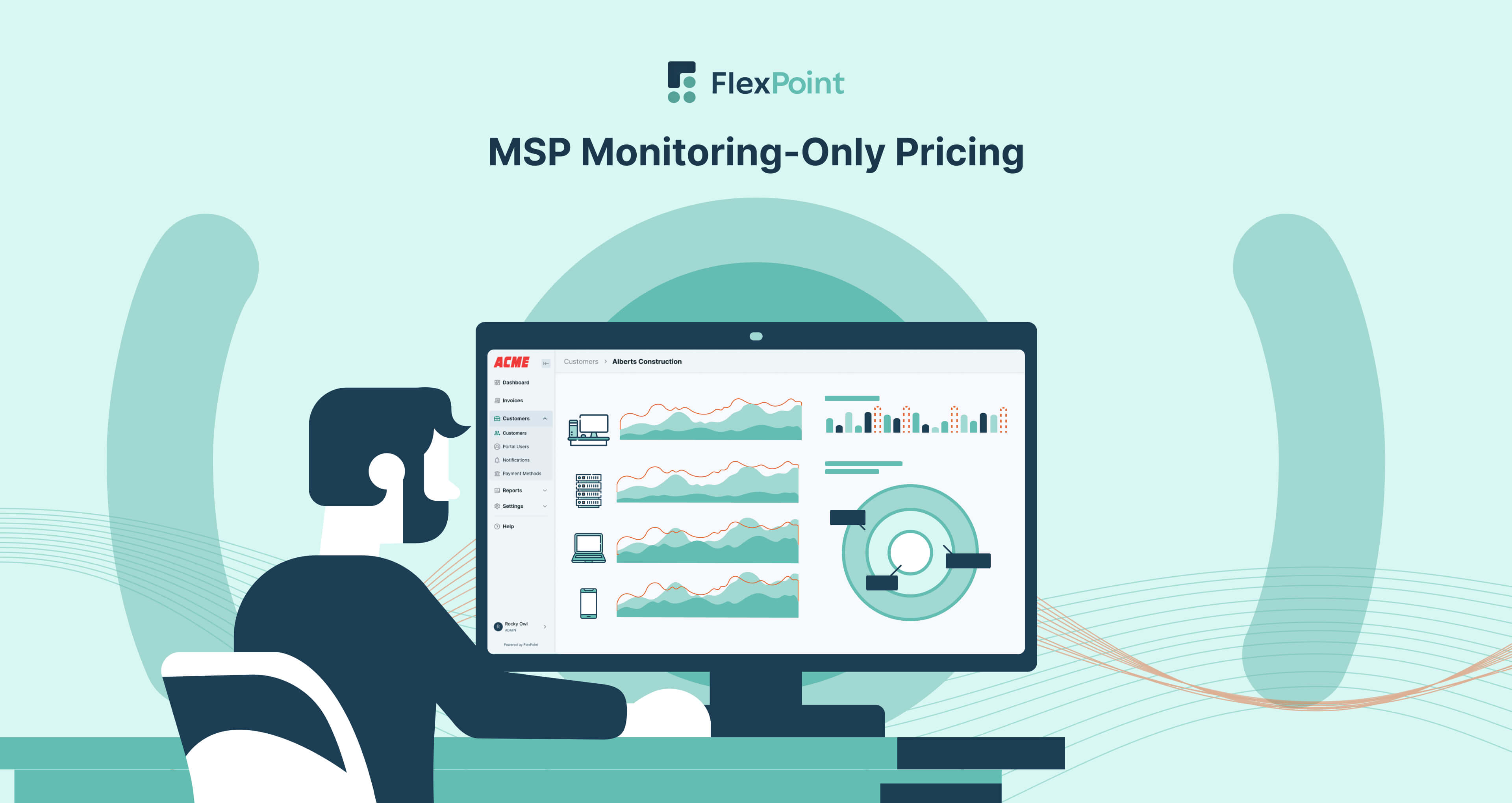
Monitoring-only pricing can be a smart entry-level offer for MSPs that want to serve budget-conscious clients or support co-managed IT environments without committing to full remediation. This article explains when monitoring-only plans work best, the pros and cons to watch for, and how to structure and bill them clearly so the model stays profitable.

Per-user pricing is a simple way for MSPs to build predictable, scalable revenue by charging a flat monthly rate per supported user instead of tracking devices or hours. This article explains how per-user pricing works, when it’s the right fit, and how to implement it without creating billing confusion as client headcount changes.

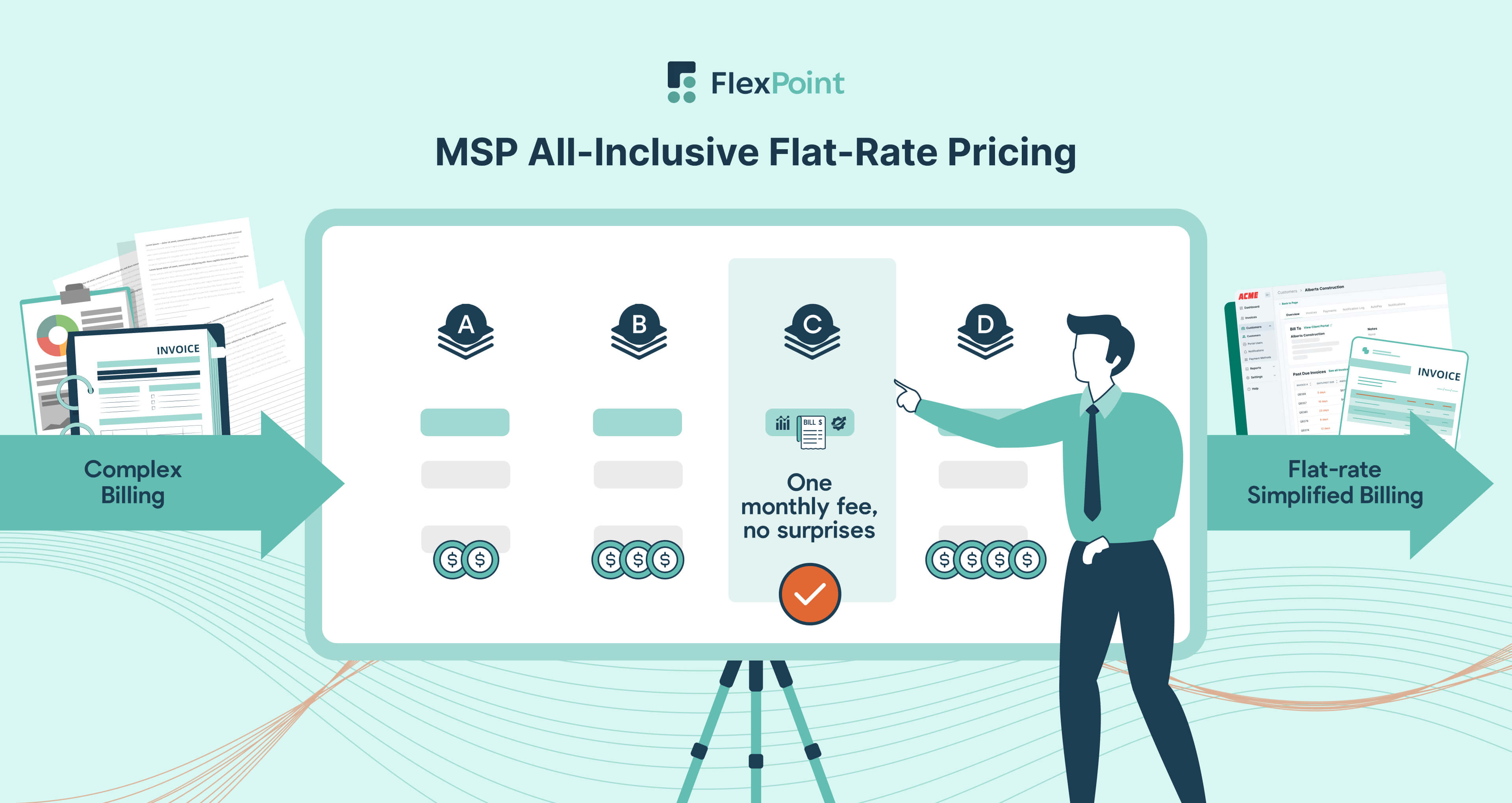
Flat-rate all-inclusive pricing can simplify MSP billing by turning IT into a predictable subscription with clear scope and stable monthly revenue. This article explains how the model works, the pros and risks to watch for (like scope creep), and best practices for packaging, billing, and automating recurring invoices as you scale.

Value-based pricing helps MSPs charge based on client outcomes, not hours or device counts. This article explains why more MSPs are making the shift, how to structure outcome-based packages and SLAs, and best practices for implementing value-based pricing without adding billing complexity.

Per-device pricing has been a go-to MSP model for years because it feels simple and predictable. But with hybrid work, BYOD, and more complex environments, that simplicity can break down fast. This article explains what per-device pricing is, where it still works, when it starts to hurt margins or client trust, and the best alternative pricing models to consider as you scale.

Usage-based pricing helps MSPs align revenue with actual consumption, making it easier to serve clients whose needs fluctuate month to month. This article explains common usage-based MSP models, what to measure, and best practices for tracking, invoicing, and collecting variable charges without creating manual billing headaches.

Choosing the right pricing model is one of the highest-leverage decisions an MSP can make. This article breaks down the most common MSP pricing models, explains the pros and cons of each, and shows how to evaluate the best fit for your services, clients, and growth goals so billing stays profitable and predictable.

Time tracking only works for MSP billing if it connects cleanly to your invoicing workflow. This article explains why disconnected time logs lead to missed billable hours, delayed invoices, and underbilling, then shares practical strategies for integrating time tracking with billing automation so every approved hour turns into revenue.

Manual billing mistakes and slow collections quietly chip away at MSP profitability. This article explains how smarter billing improves margins by reducing underbilling, speeding up invoicing and collections, and cutting reconciliation time through automation, real-time visibility, and better payment workflows.

Standard billing packages do not work for every MSP client, especially when needs vary by size, industry, and co-managed IT setup. This article explains what customizable billing plans are, why MSPs are moving beyond rigid tiered packages, and how to offer flexibility without losing control of margins or operations using structured plan design and automation.

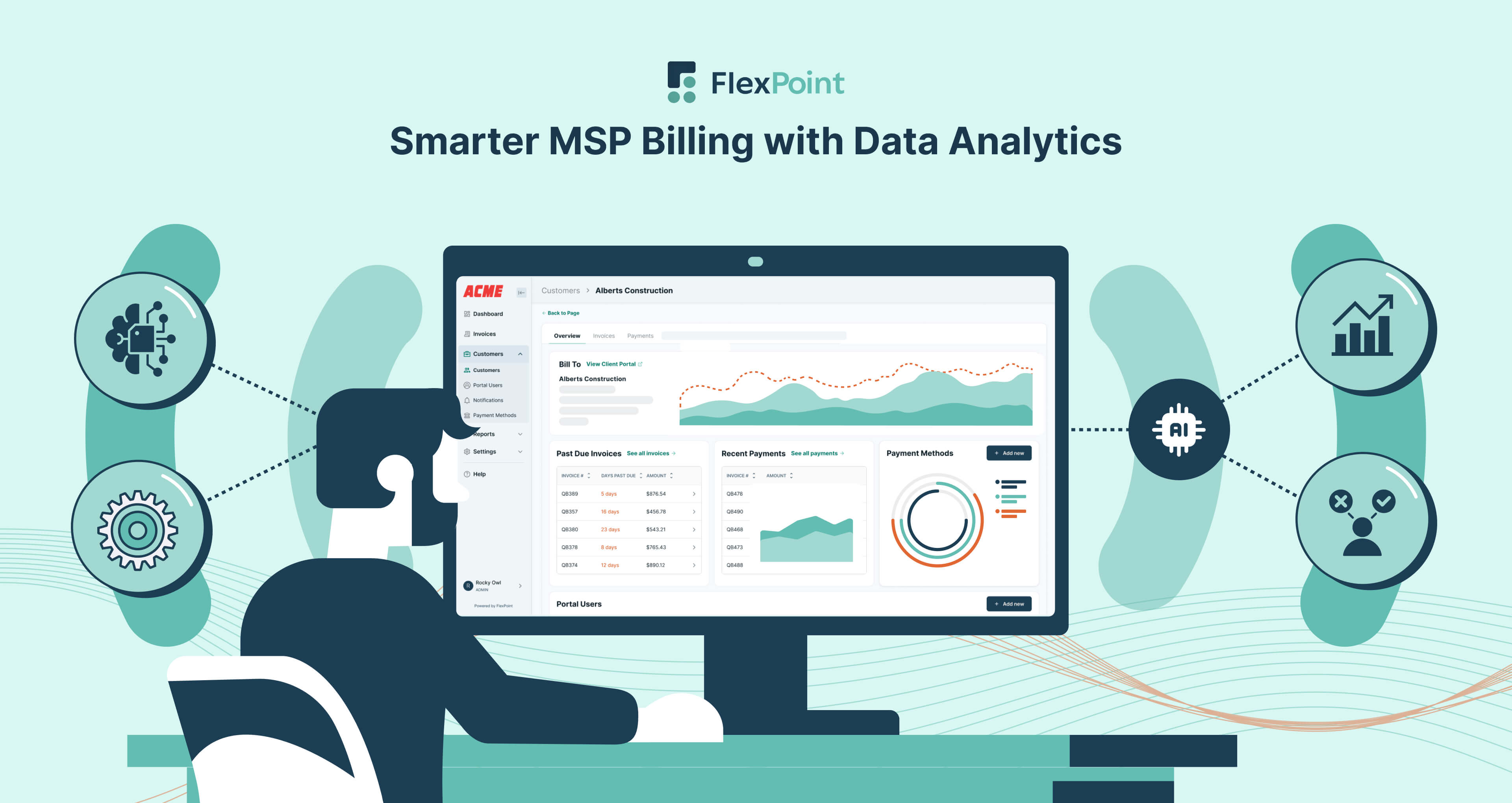
Billing data is one of the most underused growth levers inside an MSP. This article explains how billing analytics helps you spot revenue leakage, reduce invoicing errors, improve forecasting, and make smarter pricing decisions by tracking metrics like DSO, margins, and billing trends, all with real-time dashboards and reporting.

Transparent billing is not just a finance function. It is a trust function. This article explains how unclear invoices and surprise charges create friction, then shares practical strategies like itemized invoicing, automated billing, flexible payment options, and proactive communication to strengthen MSP client relationships and speed up payments.

Complex MSP billing quickly turns into a maze of spreadsheets, service tiers, prorations, and variable usage charges that create errors and delay cash flow. This article explains why billing gets complicated so fast, the hidden costs of inefficiency, and five proven strategies to simplify your workflow so you can save time, improve accuracy, and get paid faster.

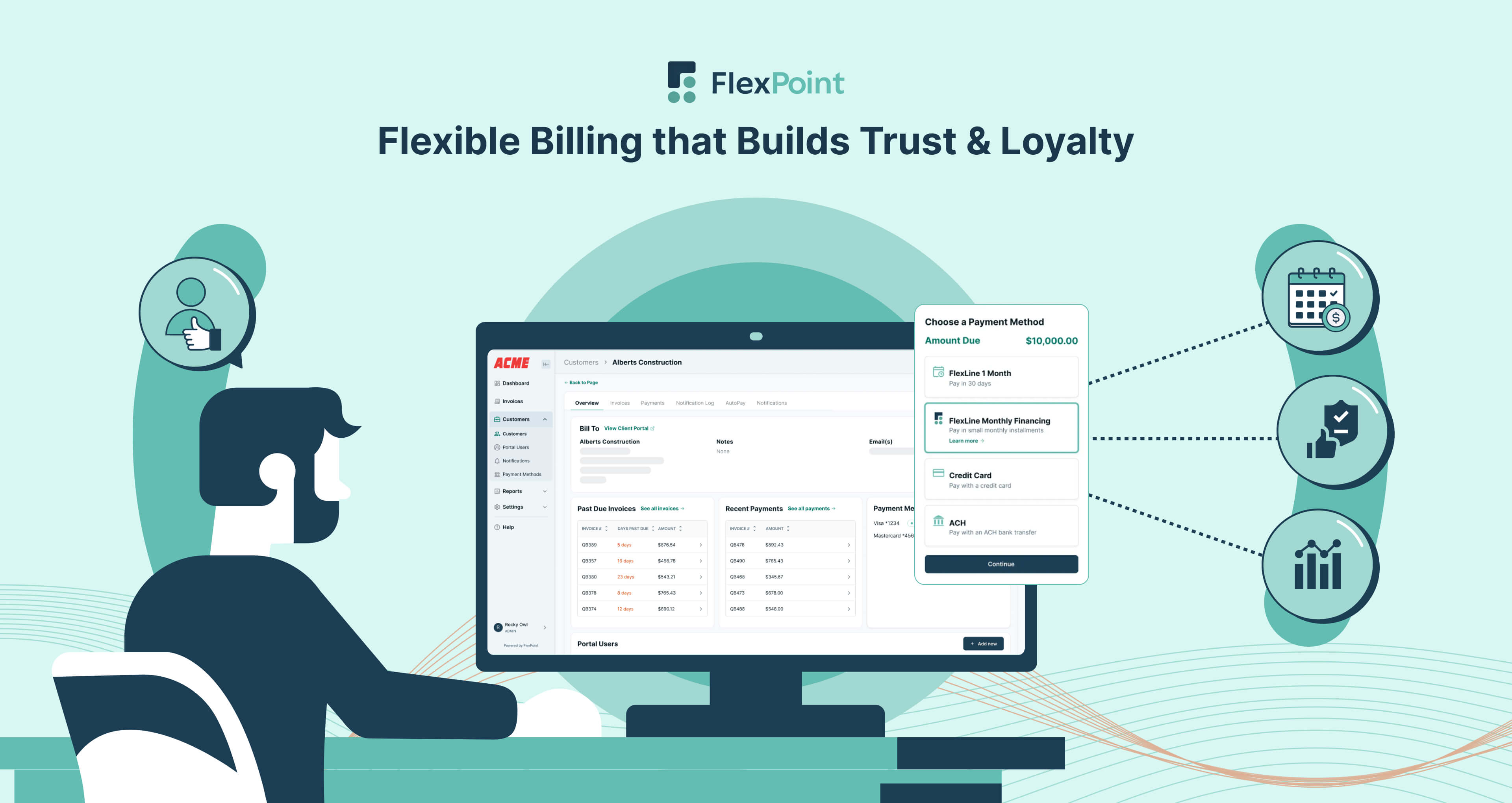
Flexible billing is not just a pricing decision. It is a client experience lever. This article explains why rigid billing creates friction for MSPs, then shares practical strategies like scalable pricing models, automated invoicing, multiple payment options, and clearer communication to improve cash flow and strengthen client loyalty.

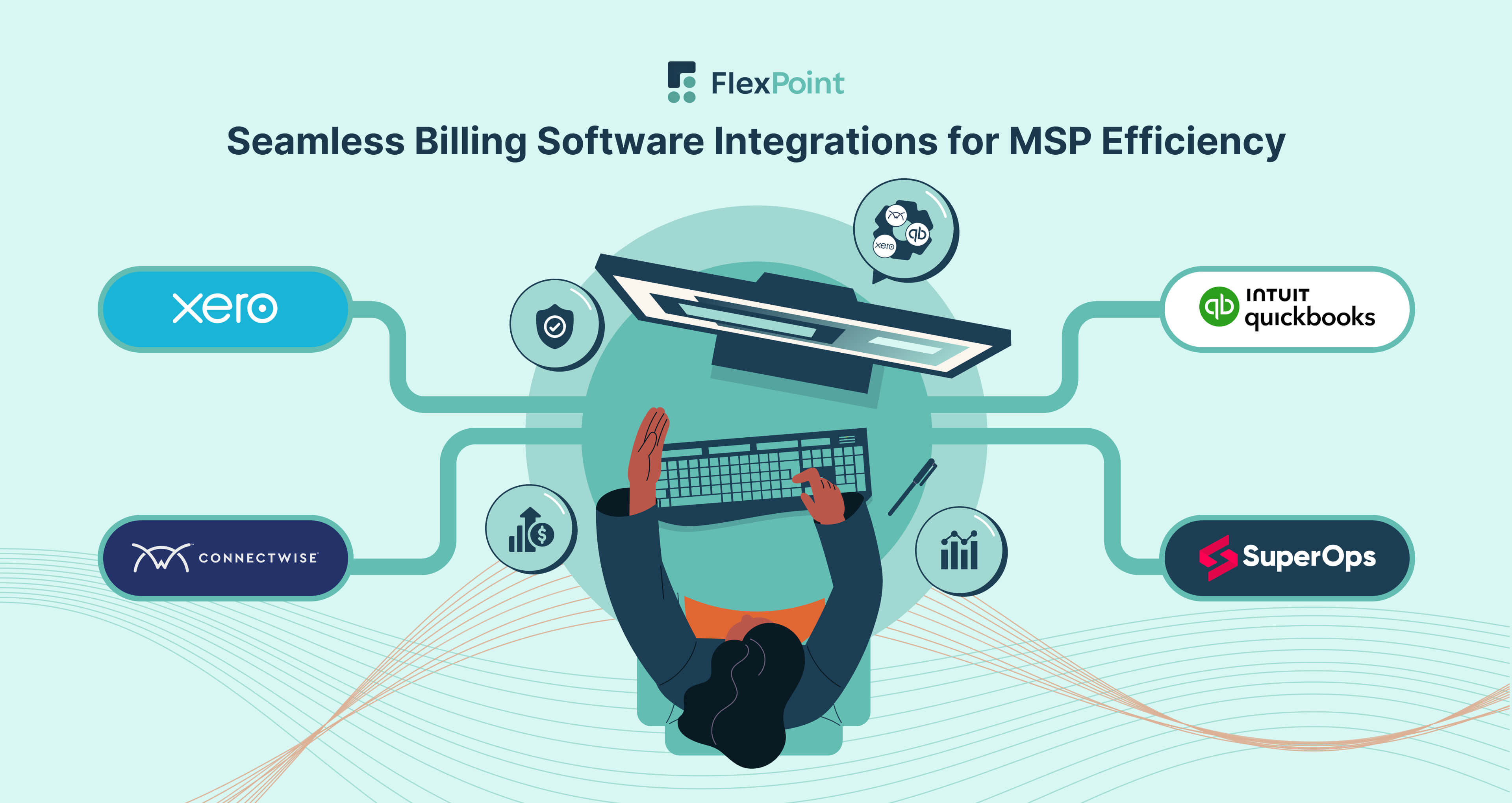
Billing software only improves MSP operations when it actually connects the dots between service delivery, invoicing, payments, and accounting. This article explains why billing integrations matter, the problems caused by manual data entry and disconnected systems, and the key PSA and accounting integrations MSPs need to streamline workflows, reduce errors, and improve cash flow visibility.

Outdated billing practices can quickly become a bottleneck for growing MSPs, leading to late payments, cash flow disruptions, and avoidable disputes. This article breaks down what an effective MSP billing policy should include (payment terms, invoicing schedules, dispute workflows, and compliance), plus practical steps to build and roll out a policy that scales with your business.

Billing automation is one of the fastest ways to reduce invoicing errors, speed up collections, and stop reconciliation from turning into a monthly fire drill. This article breaks down why MSPs automate billing, the key features to look for (invoicing, reminders, integrations, reporting), and the step-by-step process to implement automation without disrupting clients.

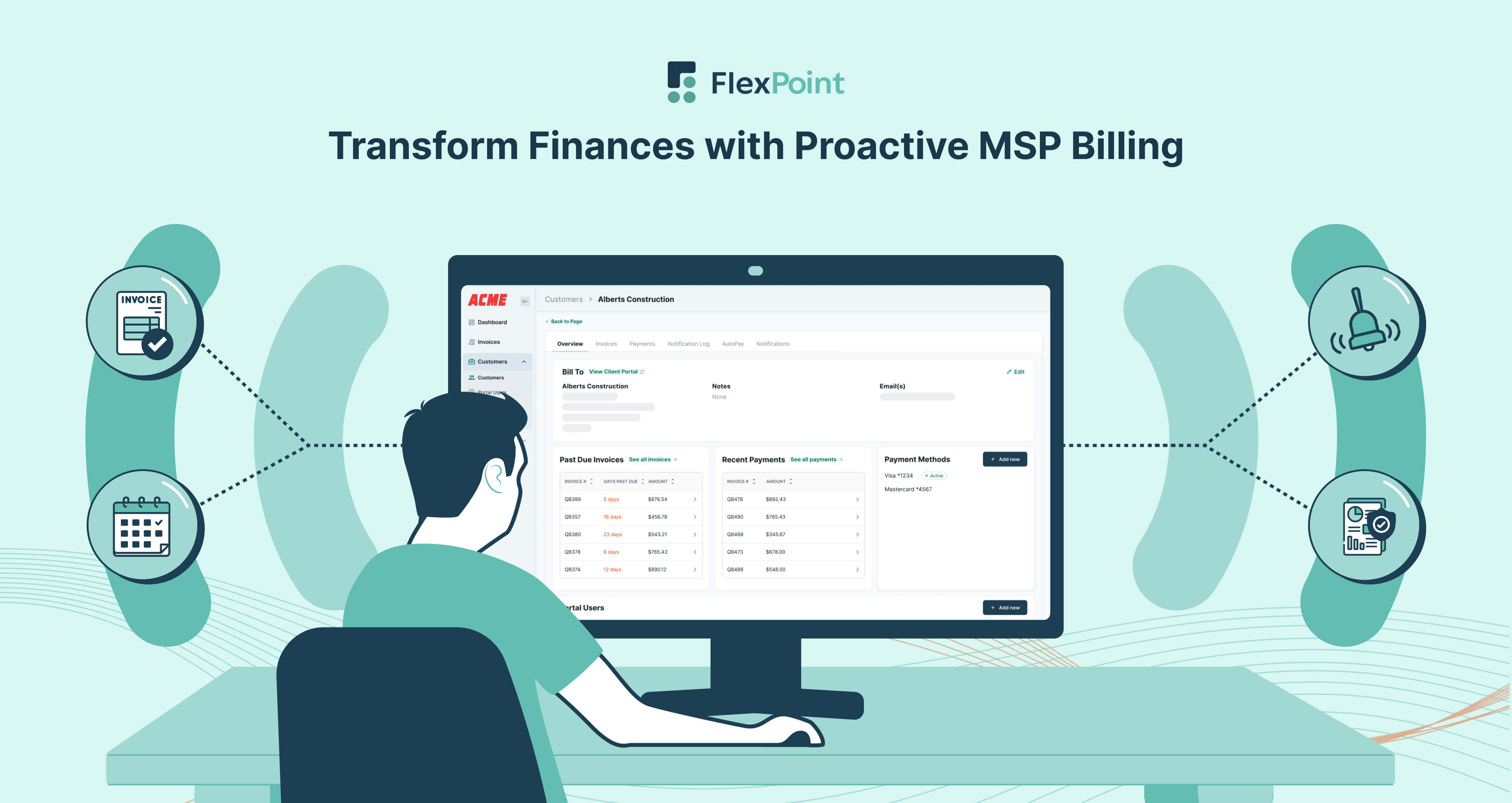
Proactive billing helps MSPs get ahead of late payments, revenue leakage, and client disputes before they turn into cash flow problems. This article breaks down what proactive billing looks like in practice and shares five strategies, including automation, real-time monitoring, clear payment policies, and predictive analytics.

Scaling an MSP is exciting until billing becomes the bottleneck. Manual invoices, missed billables, and slow collections create cash flow gaps that limit hiring, service expansion, and long-term profitability. This article explains how optimized MSP billing supports scalable growth, with five practical strategies to automate workflows, stabilize recurring revenue, and improve visibility as your client base expands.

MSP business owner building a financial plan for growth and stability

MSP financial planning breaks down fast when billing is inconsistent, delayed, or full of errors. This article explains why smarter, more predictable billing is the foundation for accurate forecasting and cash flow stability, then shares five practical strategies like automated invoicing, real-time billing data, and integrated reporting to plan and scale with confidence.

MSP team ensuring error-free billing with automation tools

MSP billing errors are more than small mistakes. They can delay payments, trigger disputes, and quietly drain profitability over time. This article breaks down the most common billing errors MSPs make, why they happen, and five practical strategies to reduce mistakes using clearer policies, standardized workflows, and billing automation.

MSP team enhancing service value perception through transparent billing practices

Billing is not just how you get paid. It’s how clients judge the value of your MSP. This article explains how unclear invoices, surprise charges, and poor billing communication erode trust, then shares practical strategies like itemized invoicing, value-based pricing, bundled services, and flexible payment options to strengthen service value perception.

MSP team using real-time billing software for instant client engagement

Real-time billing helps MSPs close the gap between service delivery and getting paid by calculating charges instantly, sending accurate invoices, and tracking payments as they happen. This article explains why real-time billing improves cash flow and client trust, plus five practical strategies to implement it through automation, integrations, and real-time reporting.

MSP team evaluating the best billing software options for 2025

As your MSP grows, billing quickly becomes more complex with recurring subscriptions, different pricing models, and higher risk of errors and delayed payments. This article reviews the best MSP billing software options in 2025, what features to prioritize, and how purpose-built tools help streamline invoicing, payments, and reconciliation.

MSP owner choosing the best billing software for business growth

Autopilot billing tools do not work for MSPs managing recurring invoices, complex service structures, and client-specific terms. This article breaks down how to choose the best MSP billing software by outlining the must-have features, the PSA and accounting integrations to prioritize, and the evaluation steps that help you reduce manual work, improve accuracy, and scale confidently.

MSP team enhancing client satisfaction with automated billing software

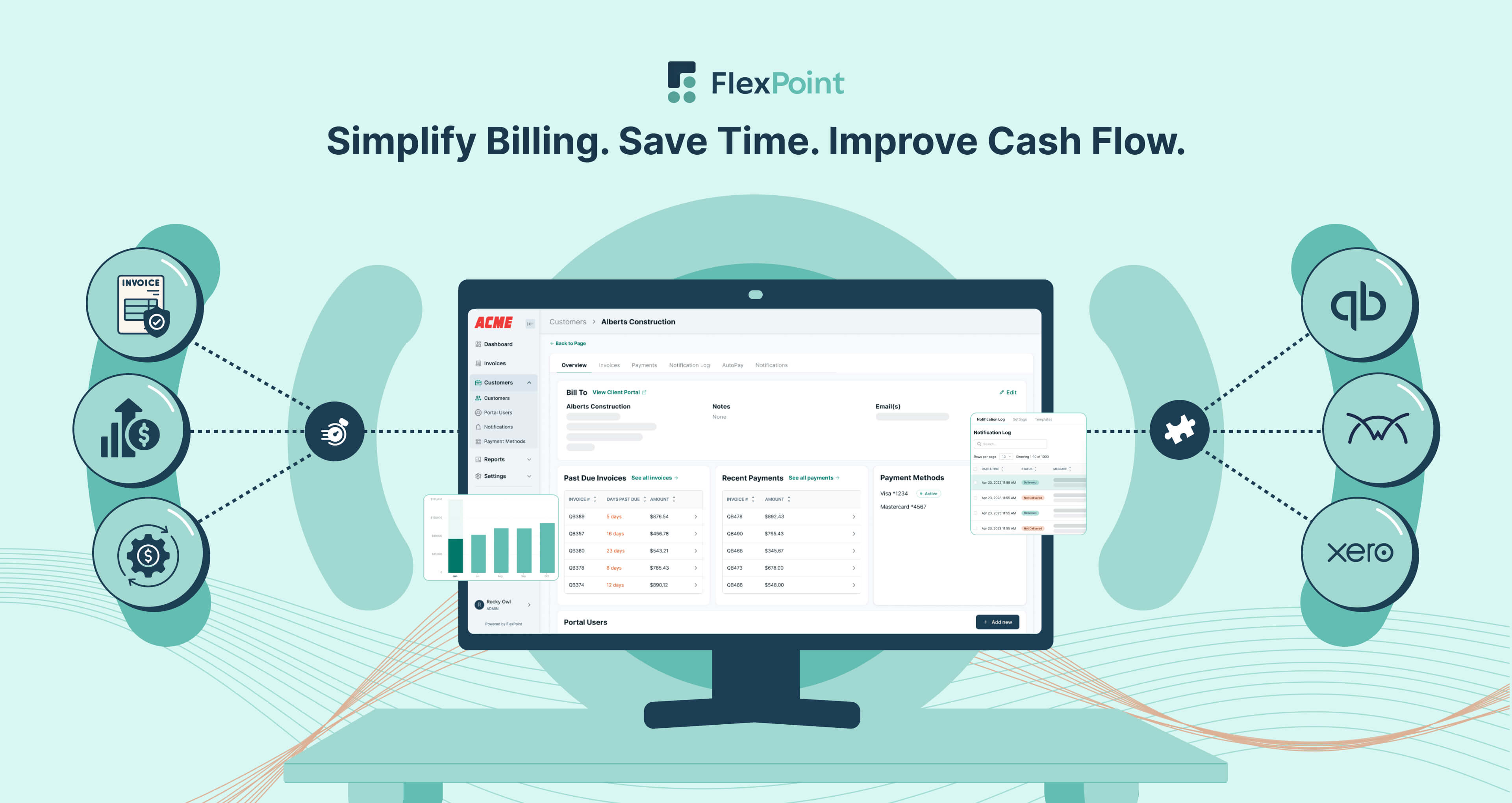
FlexPoint is built to help MSPs turn billing into a smoother client experience, not a monthly fire drill. This article explains how FlexPoint automates invoicing and recurring billing, improves client communication with self-service portals, and keeps payments, reconciliation, and reporting in sync through PSA and accounting integrations.

MSP owner calculating ROI from billing software investment

Understanding ROI is critical when you invest in MSP billing software that changes how you invoice, collect, and reconcile payments. This article explains how to calculate billing software ROI beyond direct cost savings, covering factors like improved cash flow, fewer billing errors, client satisfaction, and scalability as your MSP grows.

MSP business owner managing cash flow with digital financial tools

Billing is one of the biggest levers MSPs can pull to improve cash flow, but delayed invoices, billing errors, and inconsistent follow-up often create avoidable payment gaps. This article breaks down five practical billing strategies to speed up collections, reduce disputes, and build more predictable cash flow as you scale.

MSP business owner using AI-powered billing software

AI can take a lot of the manual work out of MSP billing, from invoice creation to spotting discrepancies and forecasting cash flow. This article explains the key benefits of AI in billing, practical workflow applications, and how MSPs can use automation and better insights to reduce errors and scale with confidence.

MSP team optimizing billing with cloud-based software

Cloud-based billing helps MSPs reduce manual work, improve invoicing accuracy, and scale without adding more back-office overhead. This article breaks down the biggest benefits of switching to cloud-based billing, the key features to look for, and how the right platform streamlines invoicing, payments, and integrations as you grow.

“MSP business owner tracking new billing trends on a digital dashboard

MSP billing is changing fast as automation, usage-based pricing, and integrated billing workflows become the new standard. This article breaks down the top MSP billing trends for 2025 and the practical steps you can take to adapt, improve cash flow, and reduce revenue leakage as you scale.

MSP team using predictive analytics for smarter billing decisions

Predictive analytics helps MSPs stop reacting to billing issues after they hit cash flow. This article explains how forecasting tools use historical billing and payment data to predict late payments, reduce invoicing errors, improve revenue planning, and strengthen client retention with more proactive billing decisions.

MSP businesses growing and thriving with the help of modern billing software

Manual billing can quietly drain MSP time and profit, especially as invoice volume grows. This article shares real-world MSP billing success stories and the measurable results teams achieved after switching to FlexPoint, including faster invoicing, fewer errors, and smoother payment collection through automation and integrations.

MSP owner selecting the best billing software features for business growth

For MSPs, billing software is more than an invoicing tool. It’s a growth lever. This article breaks down the must-have features MSPs should prioritize, from automated recurring billing and PSA plus accounting integrations to client portals, reporting, and security, so you can reduce manual work, improve accuracy, and get paid faster

Billing KPIs help MSPs spot payment delays, reduce revenue leakage, and make smarter decisions about pricing, collections, and client retention. This article explains what MSP billing KPIs are, why they matter, and the 10 metrics every MSP should monitor to improve cash flow and operational efficiency.

MSP billing management is the structured process of handling invoicing, payments, reconciliation, and compliance without relying on error-prone manual work. This article explains the core components of billing management, the benefits for cash flow and client trust, and the best practices MSPs can use to gain better financial control as they scale.

MSPs that rely on manual billing and disconnected tools often run into cash flow bottlenecks, invoice errors, and avoidable client disputes. This article breaks down the five most common MSP billing challenges and shares practical strategies to streamline invoicing, integrate your PSA and accounting stack, and speed up payment collection.

Days Sales Outstanding (DSO) is one of the most important KPIs for MSP cash flow, showing how long it takes to collect payment after invoicing. This article explains how to calculate DSO, why it matters for forecasting and financial health, and practical ways to lower DSO by improving invoicing, collections, and payment workflows.

Exceptional client service should not stop at service delivery. It should extend to billing, invoices, and payments too. This article explains why MSPs need consistent invoicing, flexible payment methods, and a centralized client portal, plus how FlexPoint helps clients pay faster with autopay, reminders, and a simple payment experience.