How Much Cash Reserves Should an MSP Have in 2026? Setting Your Business Up for Financial Success



If you run an MSP long enough, you learn this lesson the hard way: revenue doesn’t equal cash.
You can have solid MRR, signed contracts, and a healthy sales pipeline and still feel tight when payroll hits. A client pays late. A hardware order goes out before the invoice clears. A few larger expenses stack up in the same month. Nothing is technically “wrong,” but suddenly you’re watching the bank balance more closely than you’d like.
That tension is common. And in 2026, it’s more noticeable.
Operating costs are higher. Clients are still stretching payment terms. Growth requires upfront investment. And broader regulatory changes mean you need to think more strategically about how money moves through your business.
This is where MSP cash reserves stop being a nice idea and start becoming essential.
Reserves aren’t just about covering emergencies. They’re about removing pressure. They give you room to operate without reacting to every delayed invoice or lumpy month. They give you time to make decisions deliberately instead of defensively.
The question isn’t whether cash matters. It’s how much you actually need and how to build a reserve strategy that fits the way MSPs really operate in 2026.
Why MSP Cash Reserves Are Crucial in 2026
At the most basic level, MSP cash reserves protect your business from disruption.
Your recurring expenses don’t pause just because a client pays late. Payroll, software subscriptions, hardware purchases, insurance, and marketing costs continue whether revenue arrives on time or not. A healthy reserve ensures you can meet your obligations without scrambling.
But survival is just the starting point.
Strong reserves also afford freedom. When an opportunity comes up like hiring a key engineer, expanding into a new security service, or acquiring a smaller MSP, you don’t want to be forced to pass simply because your liquidity is tight. Cash on hand lets you move with confidence. It’s similar with personal finances.
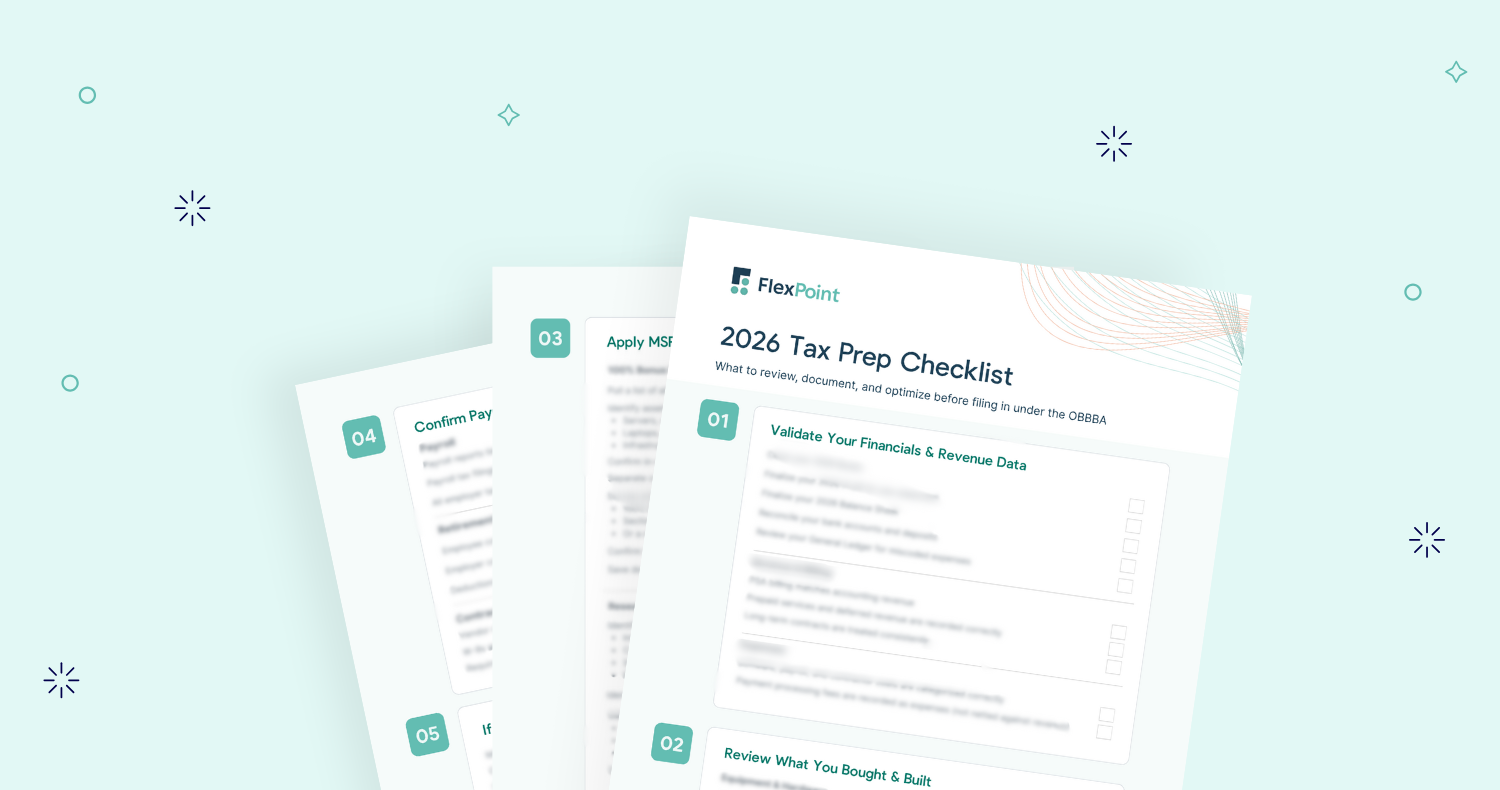
There’s also a tax planning dimension that’s becoming more important in 2026. Liquidity doesn’t mean you’re stockpiling cash for taxes, it means you have the flexibility to act strategically.
With room in your cash flow, you can:
- Review and adjust estimated quarterly payments with intention
- Time investments or expenses to optimize deductions
- Evaluate R&D or small business credits before year-end
- Navigate QBI-related changes under OBBBA more deliberately
When cash is tight, tax planning becomes reactive and rushed. When your MSP is well-capitalized, taxes become part of a broader financial strategy: one focused on keeping more of what you earn, not scrambling to cover what you owe.
That’s the difference between reactive and proactive MSP growth planning.
How Much Cash Should an MSP Have on Hand?
There’s no single number that works for every MSP. But three to six months of operating expenses is a strong starting point for most MSPs.
To make that practical, we’ll break it down here.
Step 1: Calculate your monthly burn rate.
Add up everything required to run the business each month. Payroll is usually the largest line item, but don’t forget rent, software licenses, marketing spend, hardware purchases, insurance, debt service, and any recurring contractor payments. This number is your baseline.
Step 2: Add a buffer for client payment cycles.
If your contracts say Net 30 but payments often land at day 45, your reserve should reflect reality, not theory. Review your historical accounts receivable patterns and calculate how much additional liquidity you need to cover delayed inflows.
Step 3: Include one-off or unexpected expenses.
Security incidents. Emergency hardware replacements. Legal costs. Recruiting fees. These events aren’t monthly, but they’re inevitable over time. A cash reserve strategy for MSPs should account for the unfortunately natural volatility that comes with running a business.
Step 4: Plan proactively for tax changes.
In 2026, this step deserves specific attention. Focus should be on staying ahead of changes and positioning your MSP to optimize your tax return. That means reviewing estimated quarterly payments, understanding how tax changes under OBBBA may affect you, and identifying any credits or deductions you can strategically leverage.
Tips for Building & Maintaining Cash Reserves
Building MSP cash reserves takes intention.
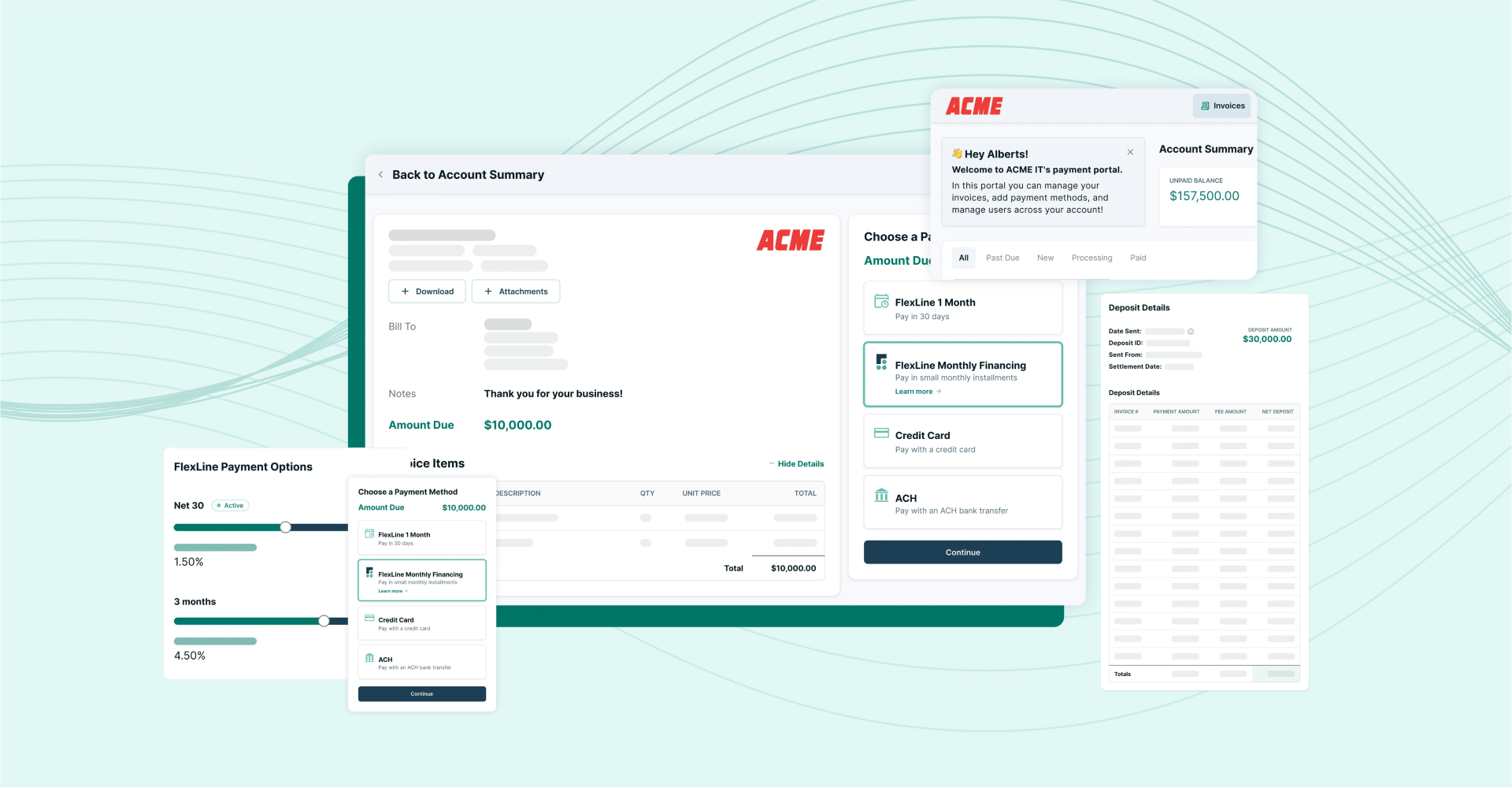
But one of the fastest ways to strengthen your position is improving how quickly you collect revenue. MSP AR automation can significantly reduce payment delays. Automated invoicing, scheduled reminders, and easy digital payment options shorten the time between invoice and cash in the bank.
Tools like FlexPoint help MSPs automate AR and streamline payment processing, making inflows more predictable. When collections are consistent, reserve building becomes realistic instead of aspirational.
Structure also matters. When everything sits in one account, it’s easy to unintentionally dip into money that was meant for something else. Clear boundaries protect long-term stability.
Make reserve reviews part of your quarterly rhythm. Revenue growth, seasonality, hiring plans, and tax projections all change. And your reserve target should evolve with them.
Don’t overlook vendor relationships either. Negotiating better payment terms can smooth out mismatches between when you pay vendors and when clients pay you. Even small adjustments can improve managed service provider cash flow over time.
As Dean Trempelas from Empath said in our Common Financial Challenges webinar: it's good to be selfish. (AKA: It's good to make your vendors work for you.)
Common Cash Reserve Mistakes MSPs Make
Even MSPs that understand the importance of cash reserves can undermine themselves with a few common missteps.
1. Keeping too little cash on hand
Some MSPs assume steady revenue will continue indefinitely. They trust recurring contracts and predictable MRR to carry them through. That works until a large client pays late, churns unexpectedly, or a major expense hits. Without a meaningful cushion, even a healthy business can feel fragile.
2. Treating reserves like flexible spending
Building a reserve is one thing. Protecting it is another. When reserve funds become the default place to pull from for upgrades, marketing experiments, or non-essential purchases, they stop serving their purpose. A reserve should protect operations, not fund convenience.
3. Ignoring tax strategy in planning
In 2026 especially, failing to stay proactive about tax changes can create unnecessary stress. The goal isn’t to “save up for taxes,” but to ensure you’re positioned to optimize your return. If you don’t plan ahead for how deductions, credits, or regulatory shifts affect you, you may miss opportunities or feel pressured later.
4. Overlooking seasonality and revenue cycles
Not all months are created equal. Hardware-heavy quarters, renewal cycles, or seasonal slowdowns can skew cash flow. Planning based on an annual average without accounting for these peaks and valleys can leave you underprepared at the worst possible time.
Strong reserves don’t just require hitting a number. They require protecting that number from predictable mistakes.
How Modern MSPs Stay Cash-Healthy
Financially strong MSPs treat cash flow like a managed system, not a monthly surprise.
They focus first on shortening the cash conversion cycle. Research from sources like Service Leadership Index® and TSIA shows that operational discipline (especially around billing and collections) is directly tied to profitability. Reducing Days Sales Outstanding (DSO) by even 10–15 days can materially improve liquidity without increasing revenue.
.jpeg)
Modern MSPs automate accounts receivable wherever possible. Invoices go out on time. Reminders are consistent. Clients have simple digital payment options. Faster collections stabilize managed service provider cash flow and reduce variability.
They also maintain real-time visibility. Strong operators track: current cash position, upcoming payables and payroll, and reserve coverage in months.
When leadership can see how upcoming obligations compare to available liquidity, planning becomes intentional instead of reactive.
Tax strategy is part of that system. With OBBBA-related changes and evolving deduction rules, many advisors recommend mid-year tax projection reviews. Liquidity allows MSPs to act on those insights (whether through qualifying purchases, retirement contributions, or strategic expense timing) instead of scrambling at year-end.
Cash health isn’t about stockpiling money. It’s about building infrastructure: automation, visibility, and disciplined review, that keeps liquidity predictable and aligned with growth.
Bottom Line: Your 2026 MSP Cash Strategy
If you take one thing away from this, let it be this: in 2026, cash isn’t just protecting against unexpected changes, it's leverage.
A strong MSP cash reserve plan should realistically cover three to six months of operating expenses, account for slow-paying clients, leave room for the inevitable one-off surprise, and reflect a proactive approach to tax planning.
Operating reserves protect the basics: payroll, vendors, software, the stuff that keeps the lights on. A buffer for delayed payments acknowledges how cash flow actually works in the real world. Planning for unexpected costs recognizes that growth always comes with friction. And staying ahead of tax changes means you’re optimizing your return, not reacting to it at the last minute.
When those pieces are in place, cash stops being stressful. It becomes strategic.
It gives you room to hire sooner, invest when the opportunity is right, and make decisions without that tight feeling in your chest. That’s what financial control actually looks like.
In 2026, MSP financial planning isn’t just about increasing revenue and scaling every operation. It’s about protecting liquidity and using it intentionally.
How to Strengthen Your MSP Cash Flow in 2026
If you want this to move from theory to execution, start with clarity.
First, calculate your real reserve target. Plug in your monthly burn rate, realistic payment delays, and a cushion for volatility. Make the number visible. When you know the target, you can build toward it intentionally instead of guessing.
Next, take an honest look at how quickly you’re getting paid. What’s your average Days Sales Outstanding? Are invoices going out immediately? Are reminders consistent? Can clients pay easily?
If collections are manual or unpredictable, that’s usually where reserve plans break down.
Improving your accounts receivable process is often the fastest way to improve MSP cash flow. Automation, simplified payment options, and better visibility into inflows make reserve building realistic, not theoretical.
If you’re ready to tighten up collections and improve cash predictability, explore how FlexPoint helps MSPs automate invoicing, streamline payments, and gain clearer insight into cash position.
If you're ready to improve your relationship with cash and cashflow in 2026, watch a short demo to see how payment automation works or use our MSP Cash Flow & Tax Readiness resources.
Strong reserves don’t happen by accident. They’re built on systems that make cash flow predictable. And it's important to start there.