

We’ve moved past the era of painfully obvious AI gimmicks, the “write me an email in three seconds” instinct, and the AI-generated stock photos with six fingers. (For the most part.)
By this point, most businesses have already experimented with AI in some form. The testing has happened, the novelty has worn off, and the question has shifted from "can AI do this?" to something much more interesting: "how do we make it actually work inside a real business?"
That's the question Pax8 Beyond is answering this year.
The biggest themes across the event are agentic AI and AI security: not AI as a slapped-on efficiency tool, but AI as operational infrastructure built for businesses that are actively trying to scale.
And Pax8 is leaning heavily into the concept of the “Managed Intelligence Provider,” or MIP—the idea is that MSPs are evolving beyond reactive support and basic infrastructure management into businesses that orchestrate automation, AI systems, operational workflows, and increasingly complicated technology ecosystems.
Which sounds abstract until you actually look at what’s being showcased this year.
So if you’re heading to Pax8 Beyond 2026 and trying to decide what deserves your attention, here are the four biggest things worth watching closely.
SentinelOne's Wayfinder Frontier AI
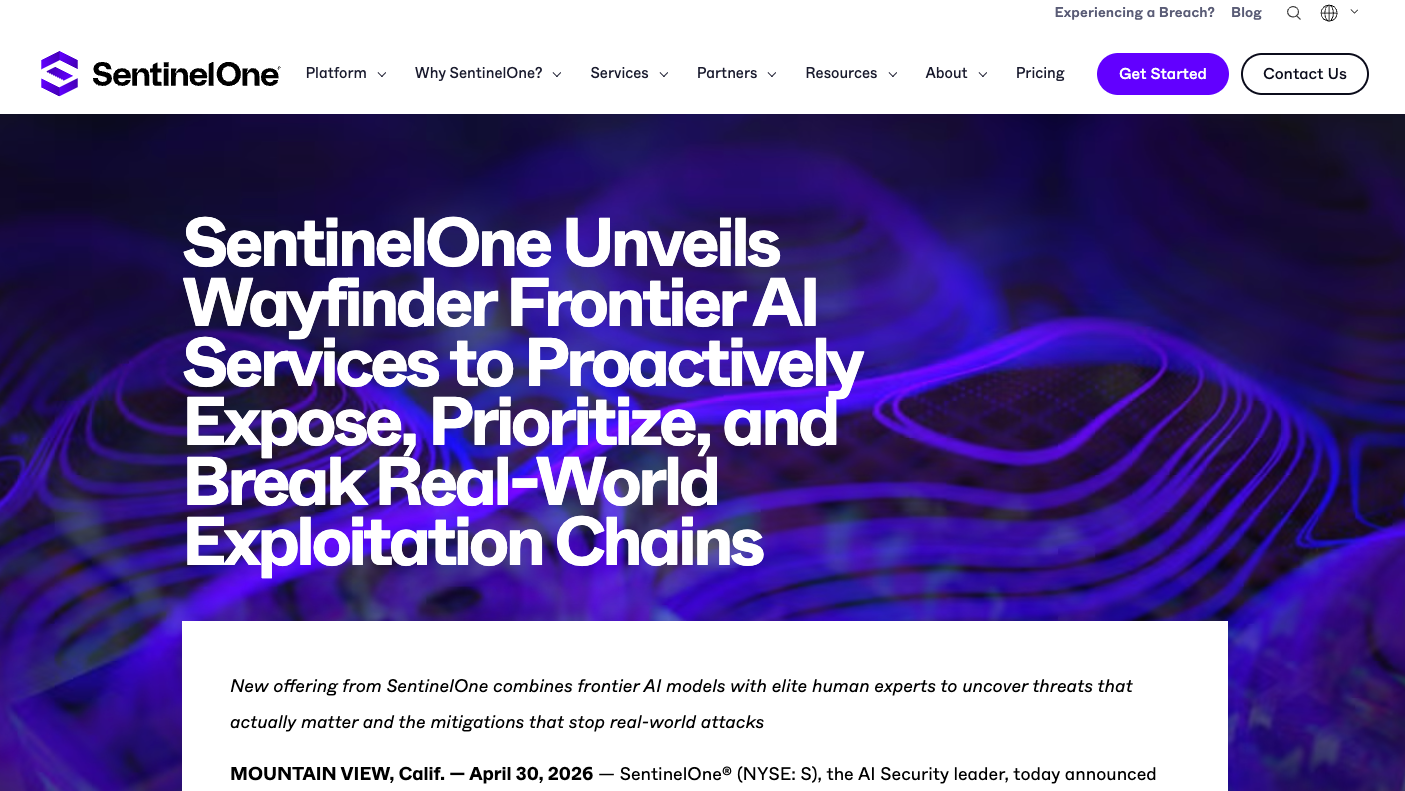
SentinelOne has spent the last year becoming one of the loudest voices in AI-powered cybersecurity, but their recent release of Wayfinder Frontier AI feels like one of the first moments where that conversation has become deeply practical.
Their Wayfinder Frontier AI initiative focuses on securing AI systems themselves, not simply using AI to secure endpoints.
That distinction matters a lot more than it might seem at first.
Over the last two years, most businesses rushed into AI adoption to keep up without always thinking through what happens when:
- Employees upload sensitive company data into models
- AI systems become integrated into operational workflows
- Prompt injection attacks become more common
Businesses aren't slowing down with AI adoption either. According to Microsoft’s 2025 Work Trend Index, 75% of global knowledge workers were already using generative AI at work in some capacity. Most businesses are trying to keep pace with how quickly AI is already becoming operational.
But that creates an obvious security problem.
Wayfinder Frontier AI is SentinelOne’s response to that shift.
The platform is designed to help organizations evaluate and secure AI-enabled environments as businesses move toward increasingly autonomous systems and workflows.
For example, if an employee uploads sensitive internal documentation into an AI tool, or an AI agent gains access to systems it should not be interacting with, Wayfinder Frontier AI is designed to identify those exposures, map how they could realistically be exploited, and help security teams prioritize the risks that actually matter in a live environment.
The timing lines up almost perfectly with Beyond’s broader theme which likely indicates demos at SentinelOne’s booth surrounding this feature.
FlexPoint's Agentic AI

FlexPoint is a Series A startup. So seeing them as a Titanium Sponsor is a big tell that something big is coming.
And it is, in the form of autonomous AI agents designed specifically for MSPs.
We’re all familiar with the chat bots in the bottom right-hand corner of websites that repeats the same answer four times and then tells you it’ll connect you to a human a few days later.
And yes, there are a lot of AI products right now that sound impressive until you try to figure out what they actually solve.
But this is neither of those.
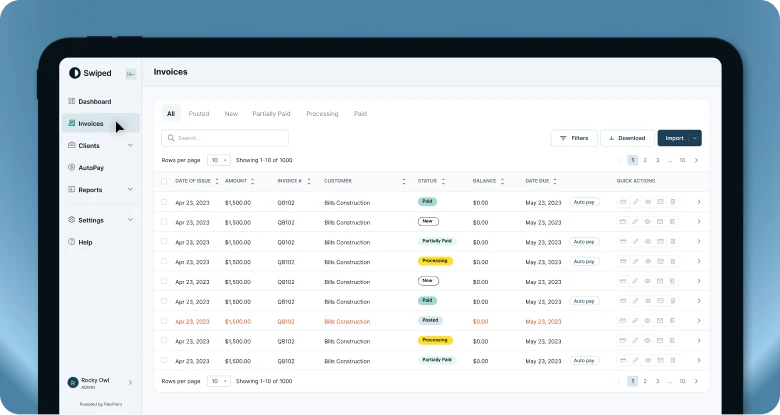
FlexPoint is bringing agentic AI into accounts receivable workflows, which is one of the more immediately useful applications of AI on the floor this year.
Because every MSP has personally felt how the AR cycle can suck the life out of you.
Invoices go out, follow-ups happen inconsistently, clients forget or refuse to pay, and eventually someone on the team ends up manually chasing updates.
All of which results in unpredictable cash flow.
But FlexPoint’s autonomous AR agents are designed to change that dynamic entirely.
Instead of relying on someone remembering to follow up or relying on generic tools, the workflow itself becomes proactive:
- Following up automatically
- Adjusting communication based on customer behavior
- Escalating when needed
- Reducing the amount of admin work sitting on finance and operations teams
“What operational burden can AI quietly remove?” is the best question that can be asked in the industry right now and it’s one FlexPoint is answering with autonomous agents.
Come see it live. We'll be at Pax8 Beyond with a keynote Monday at 5:35 PM.
CrowdStrike's Falcon Platform
Returning to the security sector, CrowdStrike is approaching AI from a noticeably different angle than many vendors this year.
CrowdStrike’s Frontier AI Readiness and Resilience services focus on security preparedness.
Because while businesses are rapidly integrating AI into daily operations, many are still catching up on questions around:
- governance
- risk exposure
- model vulnerabilities
- compliance implications
- operational resilience
- and how autonomous systems behave under pressure
CrowdStrike’s positioning this year appears heavily focused on helping organizations prepare for what happens when AI becomes deeply embedded inside operational infrastructure.
As AI systems become integrated into customer communication, operations, documentation, internal workflows, and decision-making, the attack surface changes dramatically.
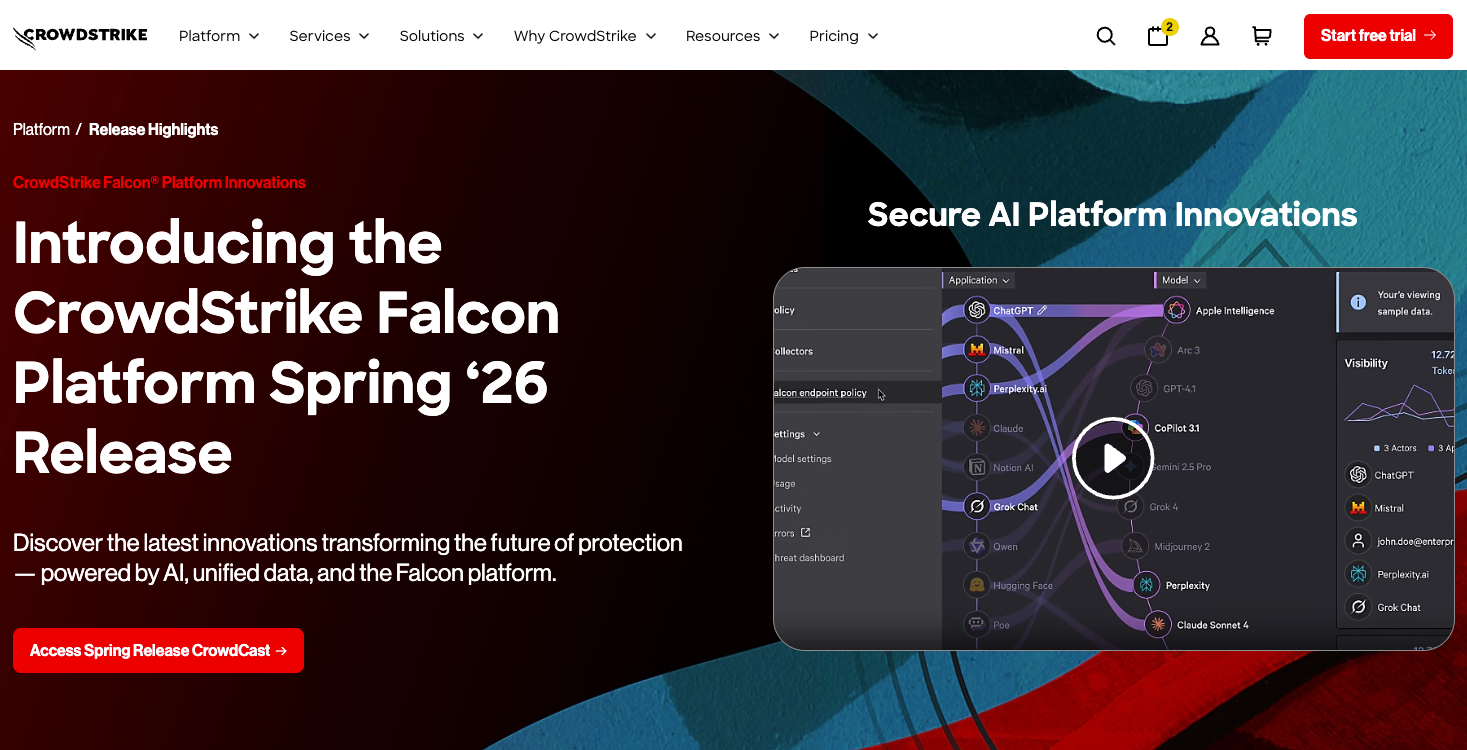
Crowdstrike’s Falcon Spring ‘26 release heavily emphasizes “Secure AI Platform Innovations,” including expanded visibility into how AI applications, models, and agents interact across enterprise environments.
Because while 83% of enterprises already use AI in daily operations, only 13% report having strong visibility into how AI is actually being used across their organization.
One of the more interesting things shown in the Falcon release preview is the ability to visualize connections between:
- AI applications
- models
- users
- endpoints
- and activity patterns
That visibility piece is becoming increasingly important as businesses move toward more autonomous systems and AI-assisted workflows.
Microsoft's Suite of AI Tools

It can almost go without being said that anything Microsoft is bringing to Pax8 Beyond is worth checking out.
But we’ll say it again.
One of the biggest features Microsoft has released recently is Agent 365, which is essentially Microsoft’s control layer for enterprise AI agents. The platform is designed to help businesses monitor agent activity, govern agents across their lifecycle, and secure how autonomous systems behave inside organizations.
Microsoft is also introducing Microsoft 365 E7, which they’re positioning as “The Frontier Worker Suite.” The bundle combines:
- Microsoft 365 E5
- Copilot
- Entra Suite
- Agent 365
In other words, Microsoft is increasingly packaging AI directly into standard operations instead of treating it like an add-on.
Microsoft is also making SMB AI Success Stack adoption financially easier through aggressive CSP promotions and discounted AI bundles running through June 30.
The SMB AI Success Stack combines Copilot for Business, Business Premium, and Purview security tooling.
Which means Microsoft is already bundling together: AI + productivity + governance + security
But as the biggest company present at the event, there’s also a lot that Microsoft has built in terms of setting trends and expectations for the industry going forward.
One of the clearest examples is the session:
“From MSP to MIP: The Microsoft Agent Build Lab Experience”
It’s a four-hour, instructor-led technical lab for working directly with Microsoft agents in guided real-world workflows, learning how agents extend Copilot experiences, automate operational tasks, orchestrate processes, and integrate into service delivery environments at scale.
That represents a significant shift from the conference AI demos people were seeing even two years ago.
The message now is very clear: MSPs are expected to understand operational AI in practical terms.
And although HaloPSA hasn’t made too much of a splash about what they could be bringing to Pax8 so far, their Titanium Sponsorship guarantees it will be worth your time as an MSP.
PSA vendors are under increasing pressure right now to support automation, AI-assisted workflows, operational visibility, and tighter integrations across the MSP stack.
And given HaloPSA’s momentum over the past year, their sponsorship alone suggests they’re planning to make a meaningful showing at Beyond.
Extras: Going Above and Beyond

Beyond has always had a slightly different energy than a lot of corporate tech conferences.
The event still feels polished and strategic, but it also feels social in a way many tech conferences don’t.
In previous years, they've invited Neil DeGrasse Tyson, Snoop Dogg, Peyton Manning, and others to make the energy in the event space a lot less stiff and a lot more fun.
So one of the bigger moments of the week will be the Tuesday evening event “Unscripted” with Kumail Nanjiani, which feels very on-brand for Beyond’s overall energy.
Standout Sessions
A few standout sessions that are slightly more serious are:
A session entirely focused on prompt injection, AI red teaming, and testing AI-enabled systems using real-world methodologies from recent assessments.
The Importance of People Behind AI
And then there’s this very noticeable and somewhat unexpected secondary theme running underneath the technical content: people skills suddenly mattering again.
Sessions like:
“Soft Skills = Hard Profits” and “Results Selling Framework 101”
Because as automation becomes more standardized and AI tools become more accessible,
MSPs are starting to compete less on access to technology and more on:
- communication
- operational maturity
- customer trust
- relationship management
- and implementation quality
There’s even a session called:
“Shape a Winning Culture: Service Success Starts Here”
Which may sound unusually “soft” for an MSP conference focusing on the future of AI implementation.
But the agenda this year keeps circling the same underlying idea from different angles: AI may automate parts of the work, but businesses still need people who know how to operationalize it, communicate it, secure it, and integrate it into real environments without creating chaos.
Why People Keep Coming Back to Beyond
Beyond has developed a reputation for being one of the more socially active events in the channel too.
The welcome reception, networking events, and closing party tend to produce some of the most valuable conversations of the week.
And if you go, you’ll likely walk away remembering something you didn't expect at all.
Just one discussion over drinks with peers in the MSP community or a thoughtful vendor can change everything about how you operate your business.
The event is already close to sold out (about 95% at the time this is being written at the beginning of May), so please expect crowded booths, packed sessions, aggressive giveaway culture, live demos everywhere, and vendors competing hard for attention.
What Beyond 2026 Is Really About

What makes Pax8 Beyond 2026 interesting is not that everyone is talking about AI.
Because everyone already was.
What's exciting is that Beyond26 is introducing the next era of AI, one that is grounded in operational reality and ready to be implemented.
The companies getting attention are not the ones showing off novelty features or trying to generate the loudest reaction on LinkedIn.
They’re the companies who have figured out:
- how to reduce operational drag
- how to secure increasingly autonomous systems
- how to help smaller teams scale
- how to integrate AI into real business workflows without making everything more complicated
That’s the bigger shift happening across the event this year.
AI is becoming less performative and much more practical.
The tools standing out at Beyond are useful, tangible, and impactful to how businesses are operating.
And that’s probably the clearest sign yet that the industry is entering its next phase.